
Automatic Sanitary Napkin Disposal Machine
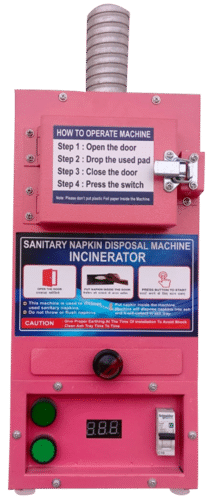
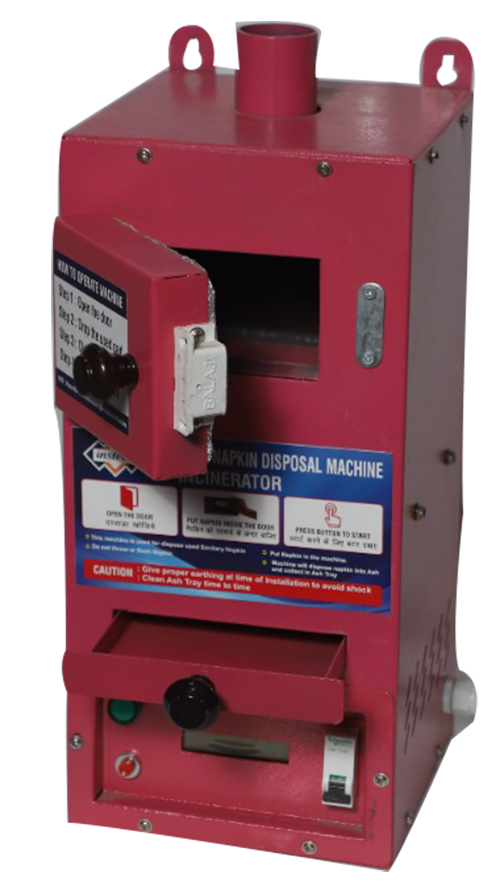
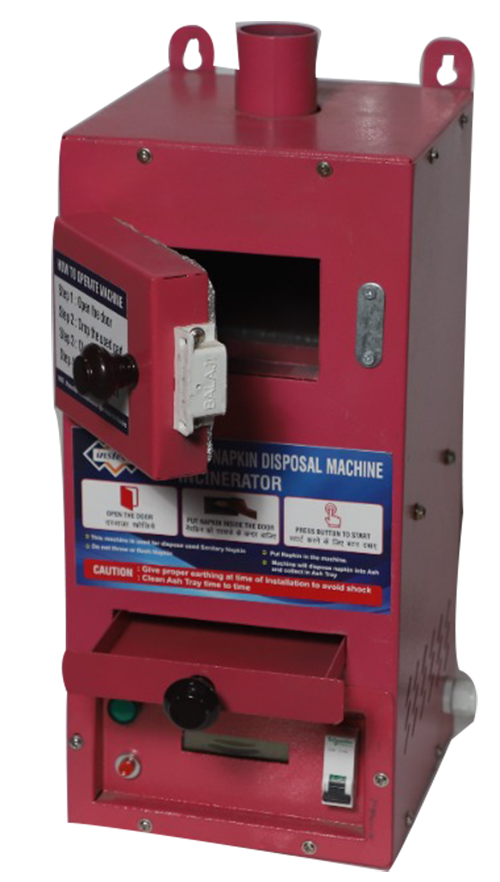
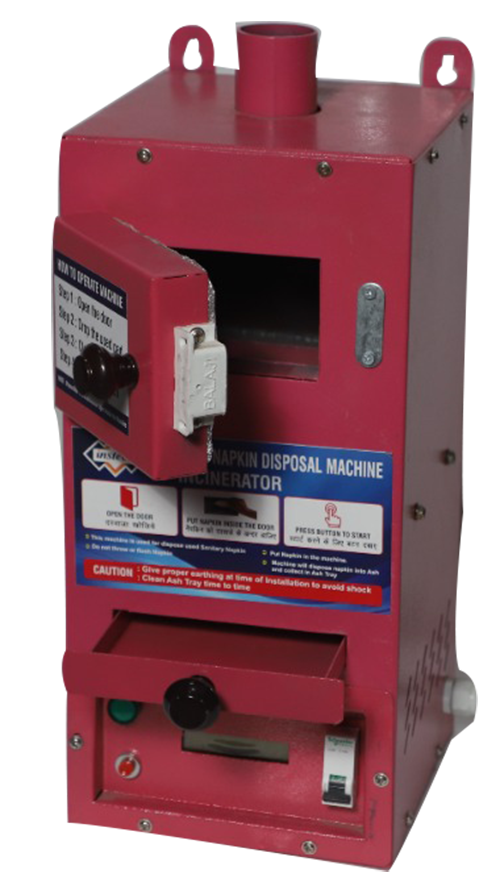
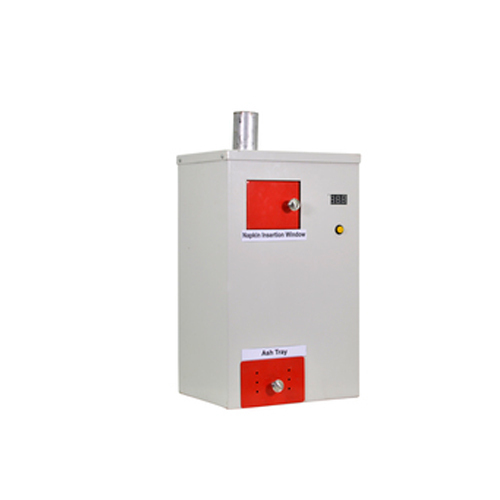
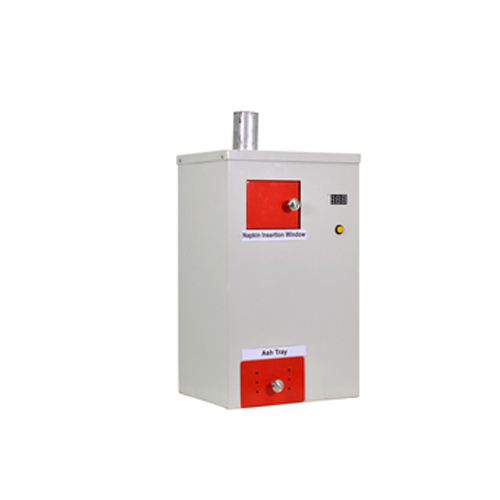

Automatic Sanitary Napkin Disposal Machine Specification
- General Use
- Industrial
- Material
- Stainless Steel
- Computerized
- No
- Automatic
- Yes
- Control System
- Semi Automatic
Automatic Sanitary Napkin Disposal Machine Trade Information
- Minimum Order Quantity
- 10 Units
- Supply Ability
- 5000 Units Per Month
- Delivery Time
- 10 Days
- Sample Policy
- If order is confirmed we will reimburse the sample cost
- Main Domestic Market
- All India
Automatic Sanitary Napkin Disposal Machine About
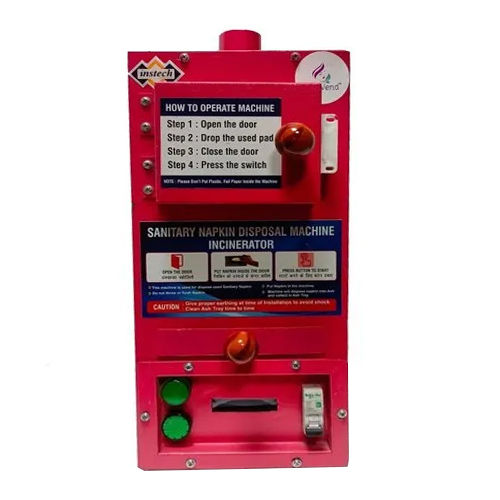
An automatic sanitary napkin disposal machine (often an incinerator) is an electrical device that safely and hygienically destroys used pads by burning them into a small amount of sterile ash. Designed to prevent sewage blockages and control odors, it is widely used in public and private restrooms.Key Features and SpecificationsOperation: Users simply drop the used pad into the burning chamber and close the door. The machine automatically ignites, incinerates the pad, and shuts off safely once the cycle is complete.Capacity: Models typically process between 50 to 250 napkins per day, burning batches of 10 to 15 pads at a time.Design & Installation: These are compact, wall-mountable units constructed with powder-coated steel and heavy-duty ceramic insulation for thermal protection.Why It Is Used
- Hygiene: It minimizes the risk of bacterial contamination and disease transmission that occurs with open dustbin disposal.
- Eco-Friendly: It reduces pads to a fraction of their original size (producing less than of ash per pad), which is easily disposable.
- Plumbing Protection: It eliminates the temptation to flush pads down toilets, protecting drainage and sewage lines from severe blockages.
- Convenience: It spares users the embarrassment of carrying used pads out to communal waste bins in public or workplace washrooms
Robust Construction for Reliable Use
Built from mild steel and stainless steel, the machine boasts exceptional durability and resistance to corrosion. This construction ensures a longer lifespan and consistent performance in demanding industrial environments. It provides organizations with a reliable solution for the hygienic disposal of sanitary napkins, reducing maintenance and replacement costs.
User-Friendly Automation
The disposal machine features automatic operation paired with a semi-automatic control system, minimizing manual handling and reducing the risk of contamination. Users can operate the device with ease, experiencing a streamlined disposal process that enhances overall workplace hygiene and compliance with sanitation standards.
FAQ's of Automatic Sanitary Napkin Disposal Machine:
Q: How does the automatic sanitary napkin disposal machine operate?
A: The machine utilizes a semi-automatic control system that automates the disposal process. Users insert the sanitary napkin, and the internal mechanism manages its incineration or safe containment, minimizing manual intervention and ensuring hygienic handling.Q: What materials are used in the construction of this disposal machine?
A: This disposal machine is constructed from high-grade mild steel and stainless steel, both chosen for their strength, resistance to corrosion, and suitability for industrial environments where durability is essential.Q: When should this disposal machine be used in an industrial setting?
A: It should be installed and used wherever there's a need for hygienic and efficient disposal of sanitary napkins, such as in manufacturing units, factories, and large organizations with female personnel, ensuring a clean and safe workspace.Q: Where can this automatic disposal machine be installed?
A: The machine can be set up in restrooms, washrooms, factory floors, and other designated sanitary areas within industrial premises, providing convenient access for users while complying with hygiene regulations.Q: What is the process for using the machine?
A: To use the machine, simply insert the sanitary napkin into the designated slot. The semi-automatic system will then automatically manage its disposal, sealing or incinerating the waste as per the machine's design.Q: What benefits does this disposal machine provide to industrial facilities?
A: Benefits include improved hygiene, a reduction in manual waste handling, stimulation of cleaner work environments, compliance with sanitation standards, and minimizing the risk of contamination or unpleasant odors.Q: Is the machine computerized, and how does that affect its usability?
A: No, the machine is not computerized, which simplifies operation, reduces the need for technical maintenance, and allows users to rely on an intuitive and straightforward control system suitable for diverse industrial environments.Tell us about your requirement

Price:
Quantity
Select Unit
- 50
- 100
- 200
- 250
- 500
- 1000+
Additional detail
Mobile number
Email

More Products in Napkin Disposal Machine Category
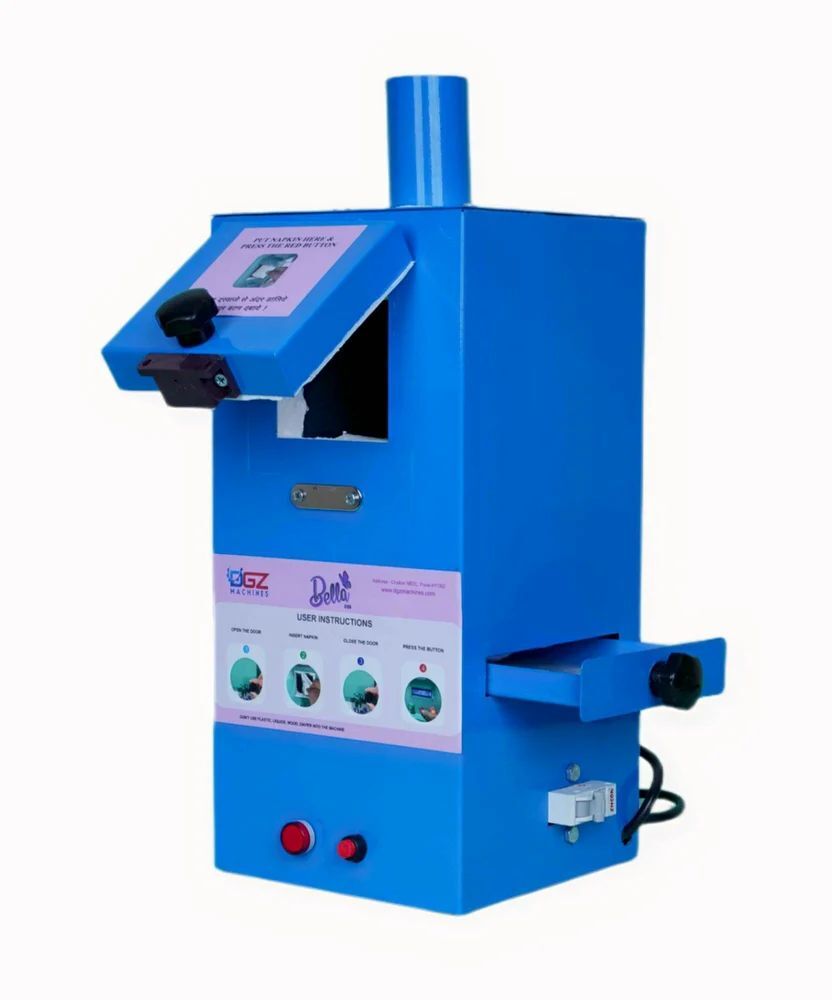
Commercial Sanitary Napkin Disposal Machine
Price 3000 INR / Unit
Minimum Order Quantity : 10 Units
General Use : Industrial
Control System : Semi Automatic
Computerized : No
Automatic : Yes
Sanitary napkin disposal machine
Price 2500.0 INR / Unit
Minimum Order Quantity : 10 Units
General Use : Industrial
Control System : Semi Automatic
Computerized : No
Automatic : Yes

Contact Details
INDIA SHINE TECHNOLOGIES
GST : 06CJGPS0620B1ZQ

- Near Lords Cricket Ground, Sec 74,Faridabad - 121006, Haryana, India
- Phone : 08071791662

- Mr Shailender SHARMA (GM SALES & MARKETING)
- Mobile : 08071791662
-
 Send Inquiry
 Send Inquiry
INDIA SHINE TECHNOLOGIES
All Rights Reserved.(Terms of Use)
Developed and Managed by Infocom Network Private Limited.
Developed and Managed by Infocom Network Private Limited.
